Legacy
An identity designed to be used, not merely applied.
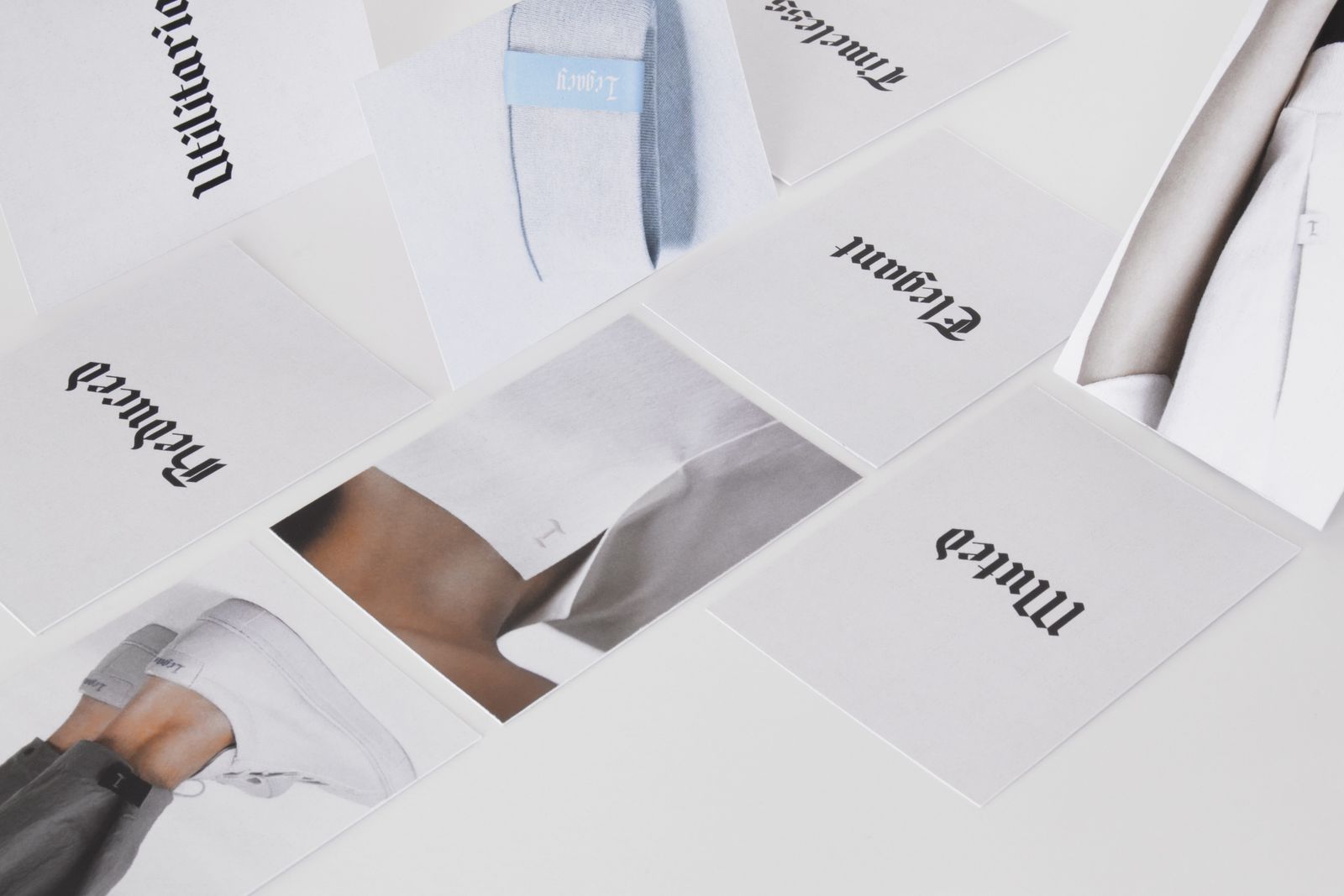
Premise
A typographic identity is usually applied after an object has been made. That places the brand at the end of the process, as a mark placed onto something rather than a behaviour involved in making it.
Reframe
The more useful question was how an identity could remain present during production. If typography became a tool rather than a fixed graphic, the people using the identity could participate in creating its expression.
Strategic direction
The identity became a repeatable act. Ownership came through use: a constrained method could generate variation without separating each outcome from the idea connecting it.
System
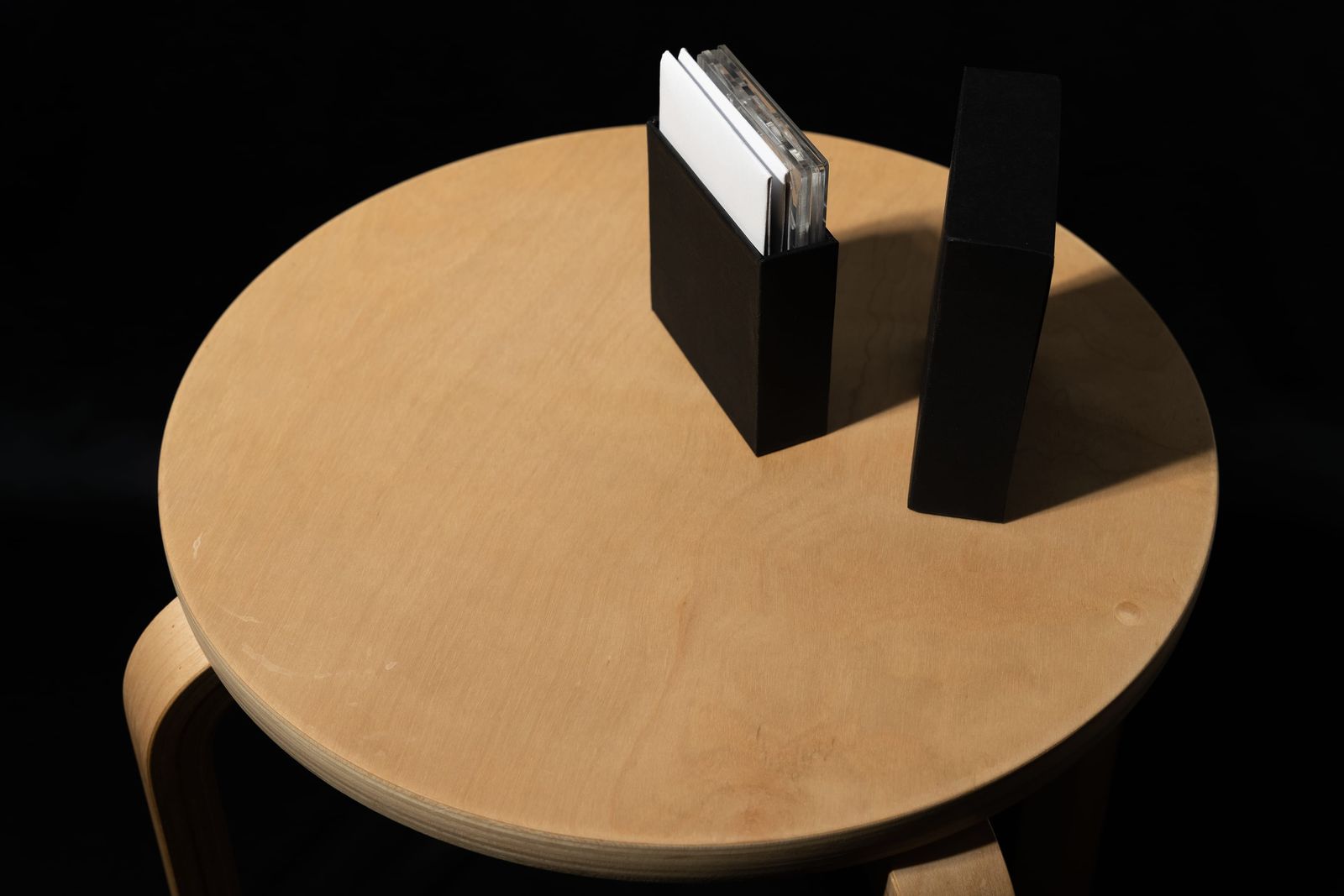
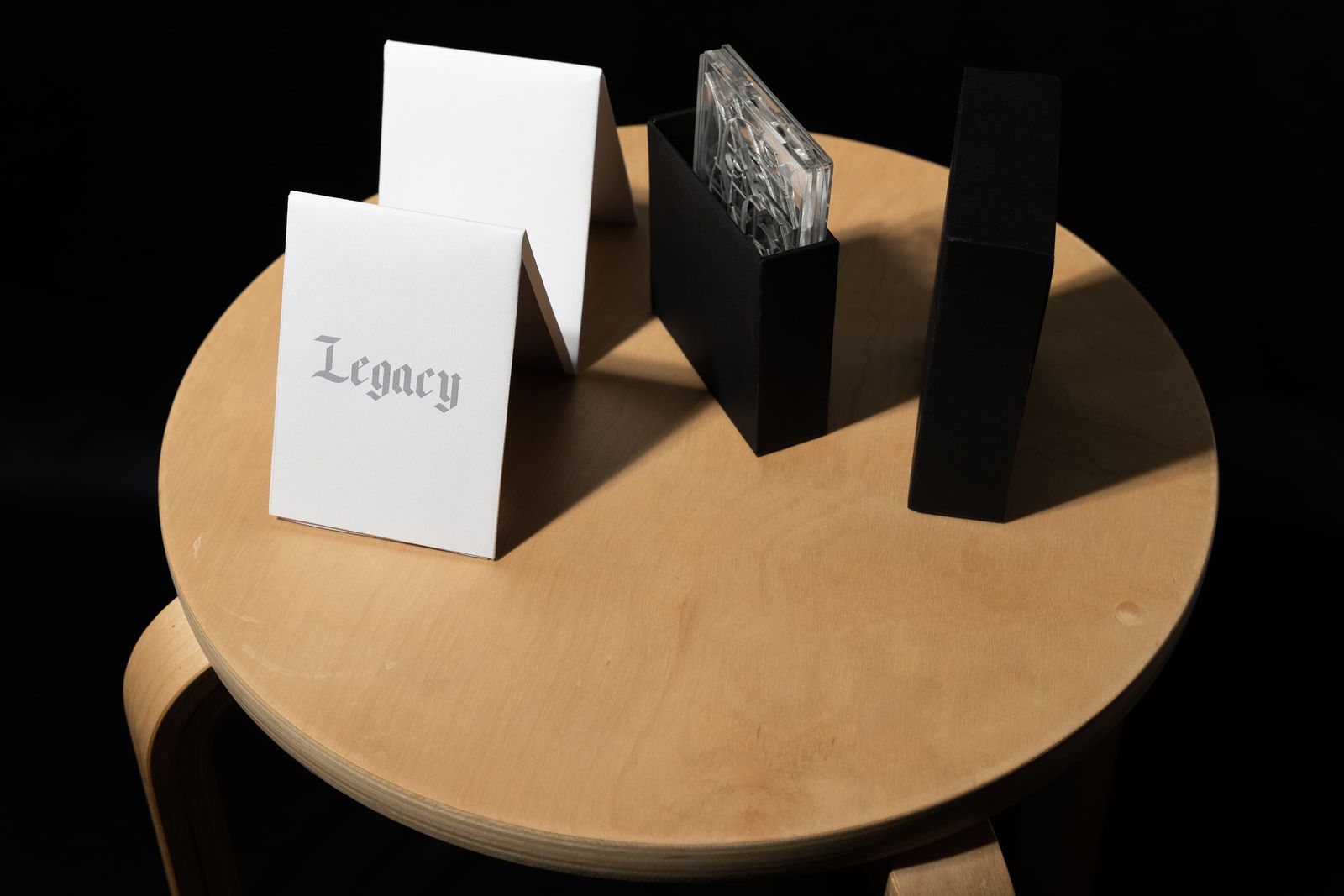
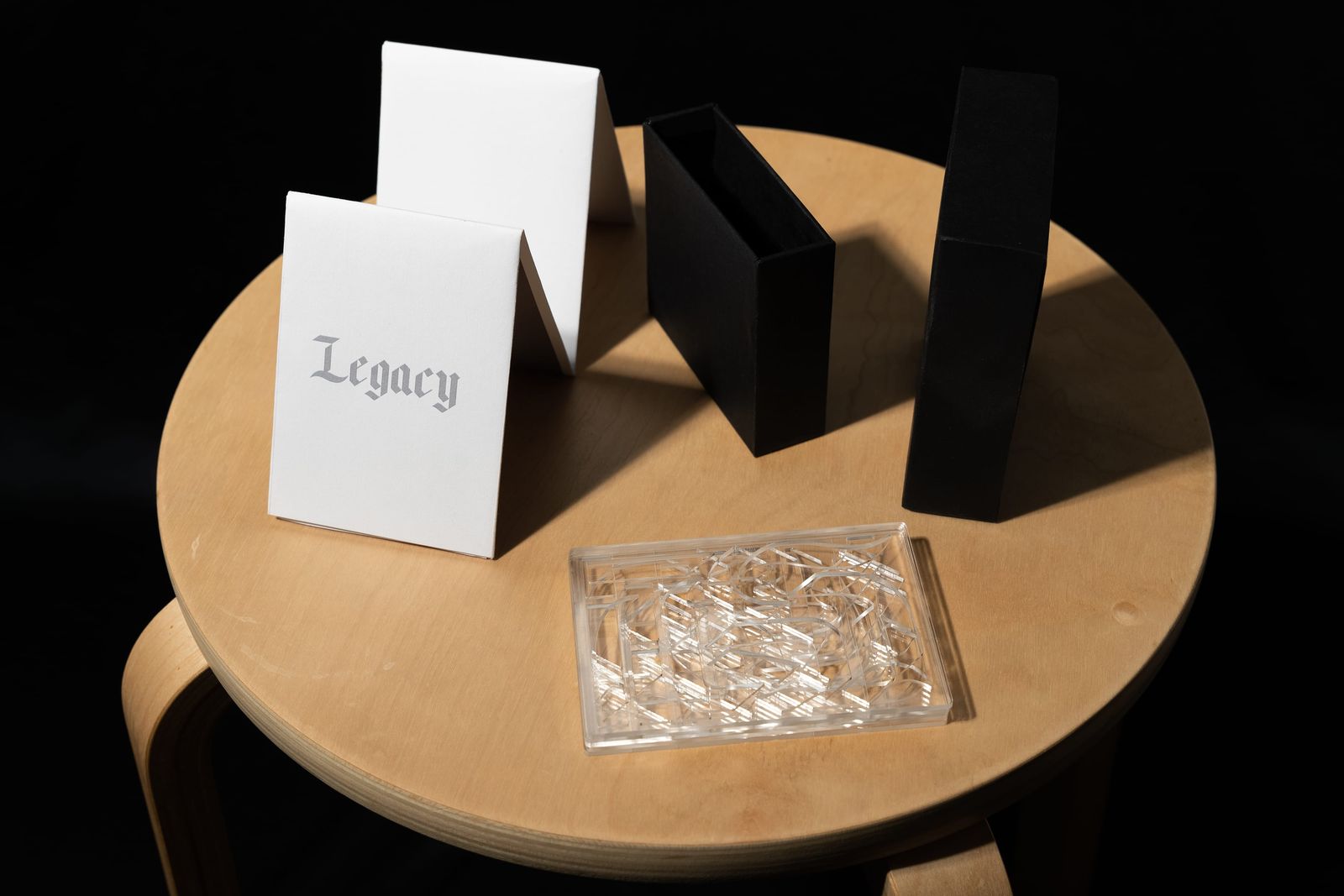
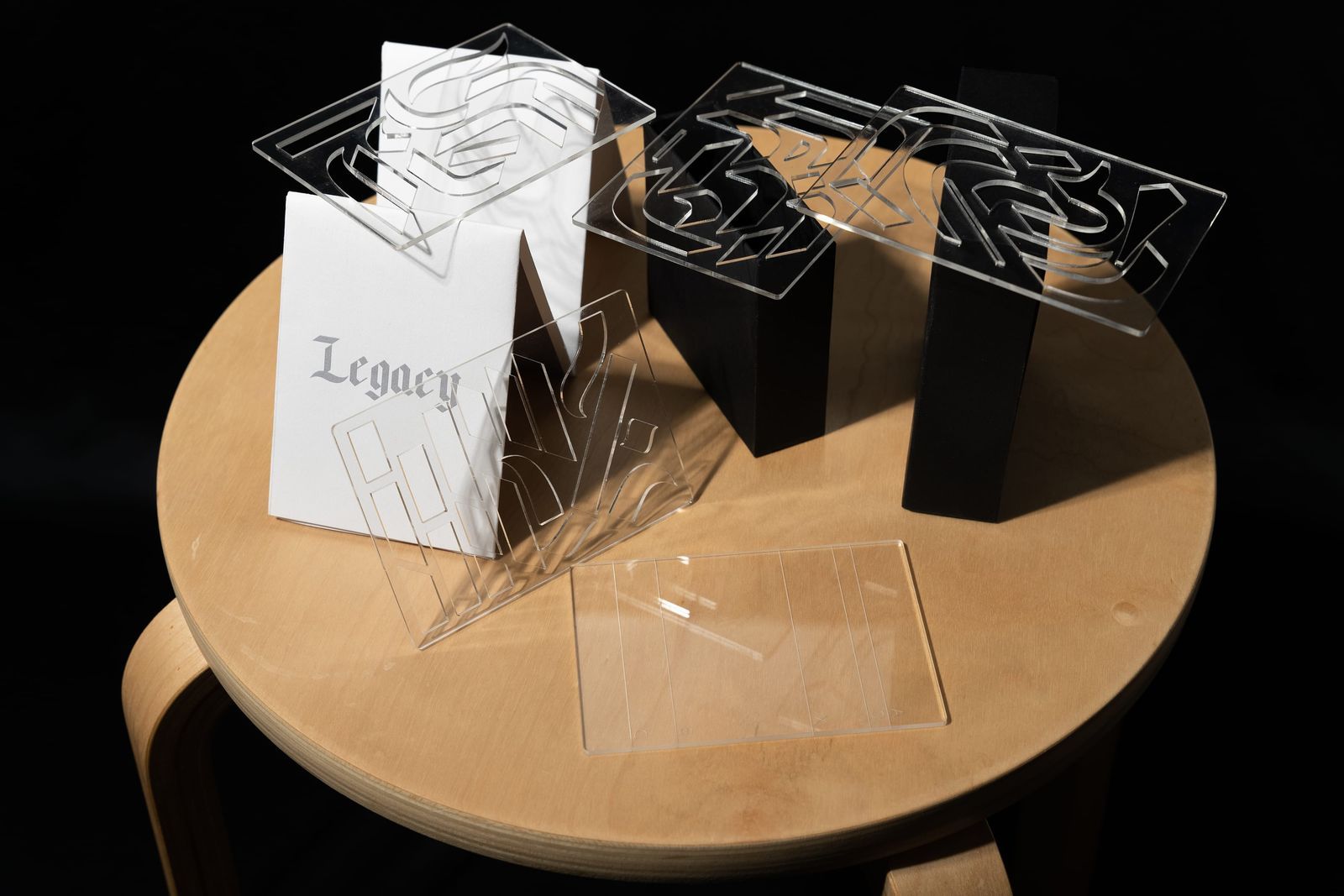
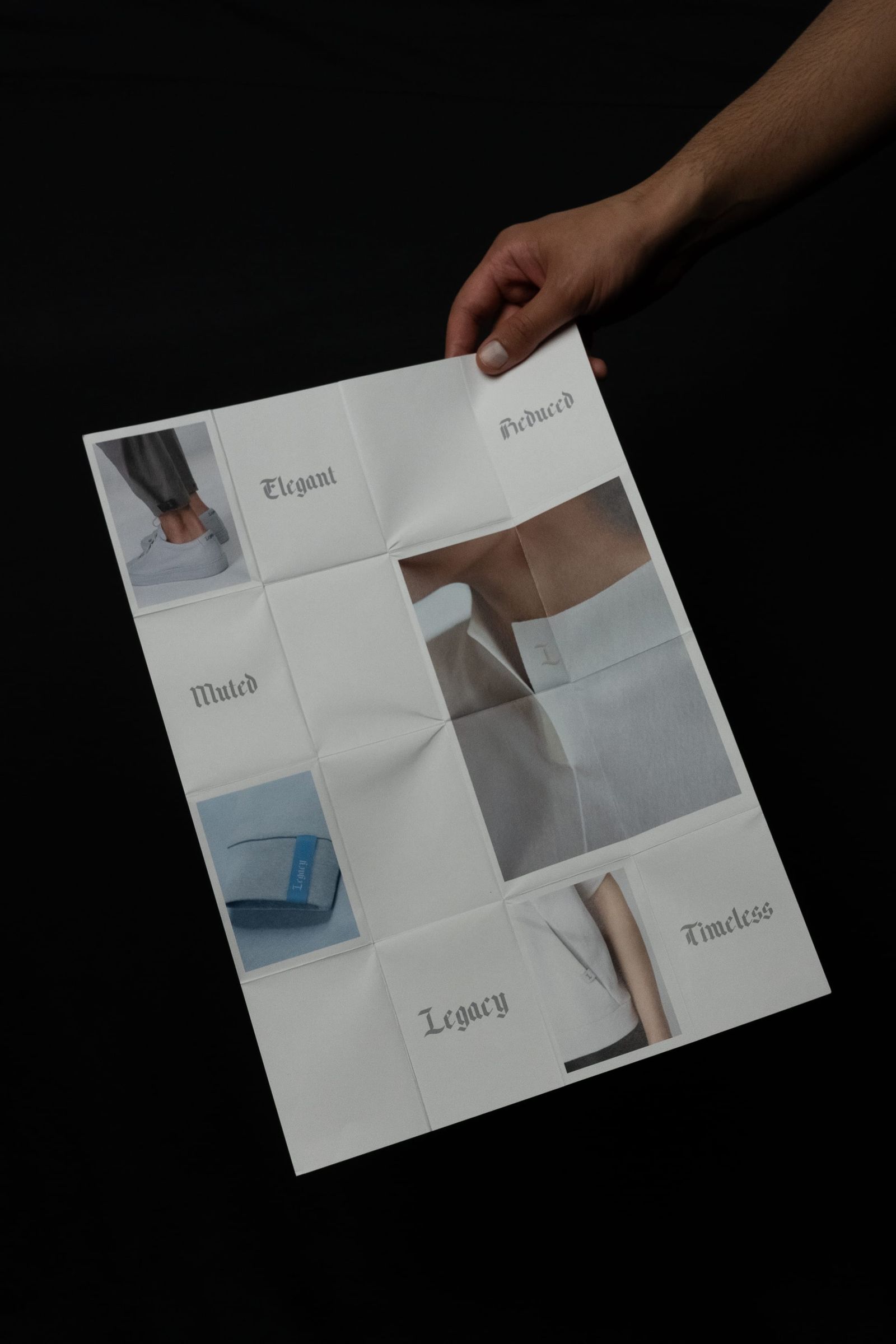
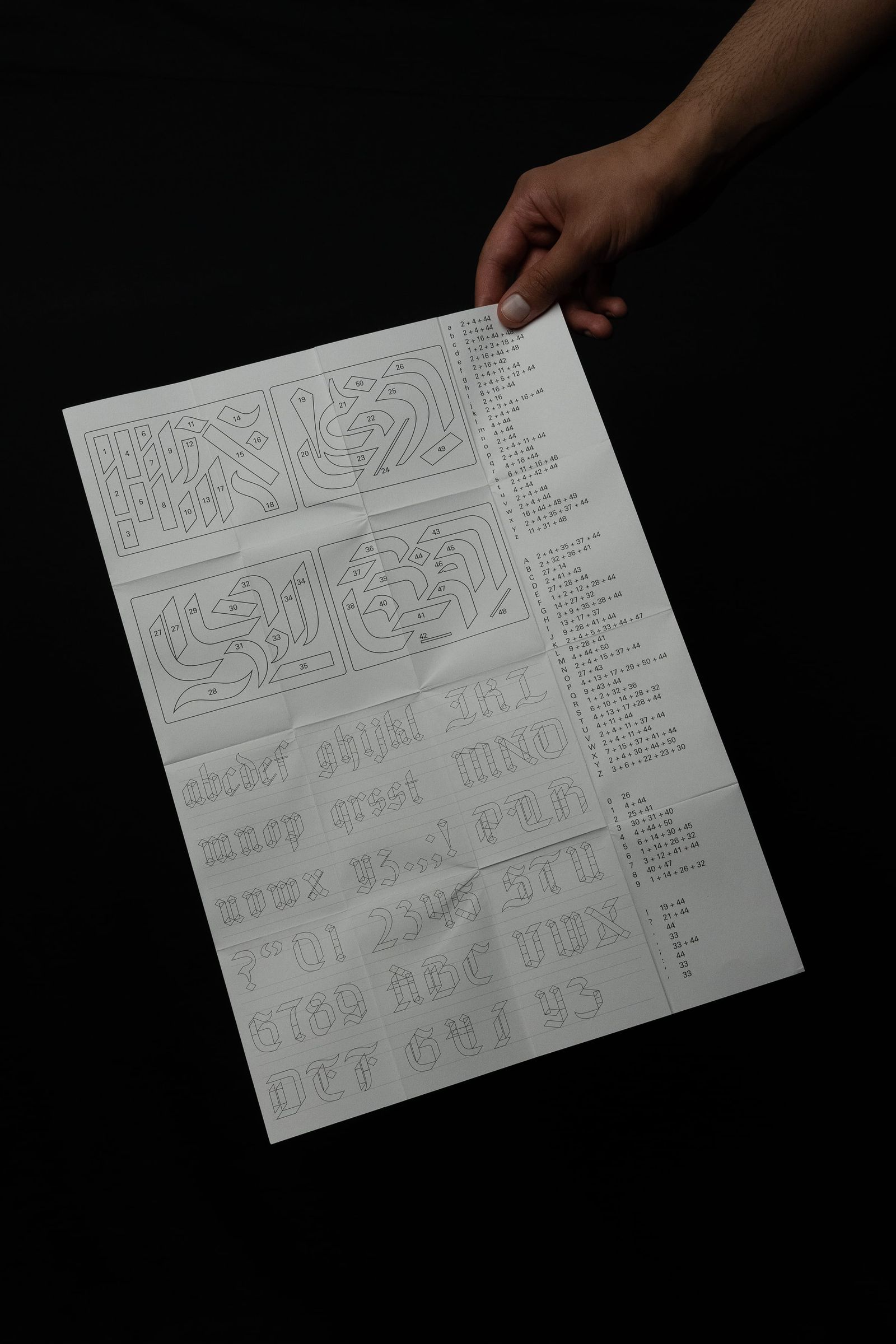
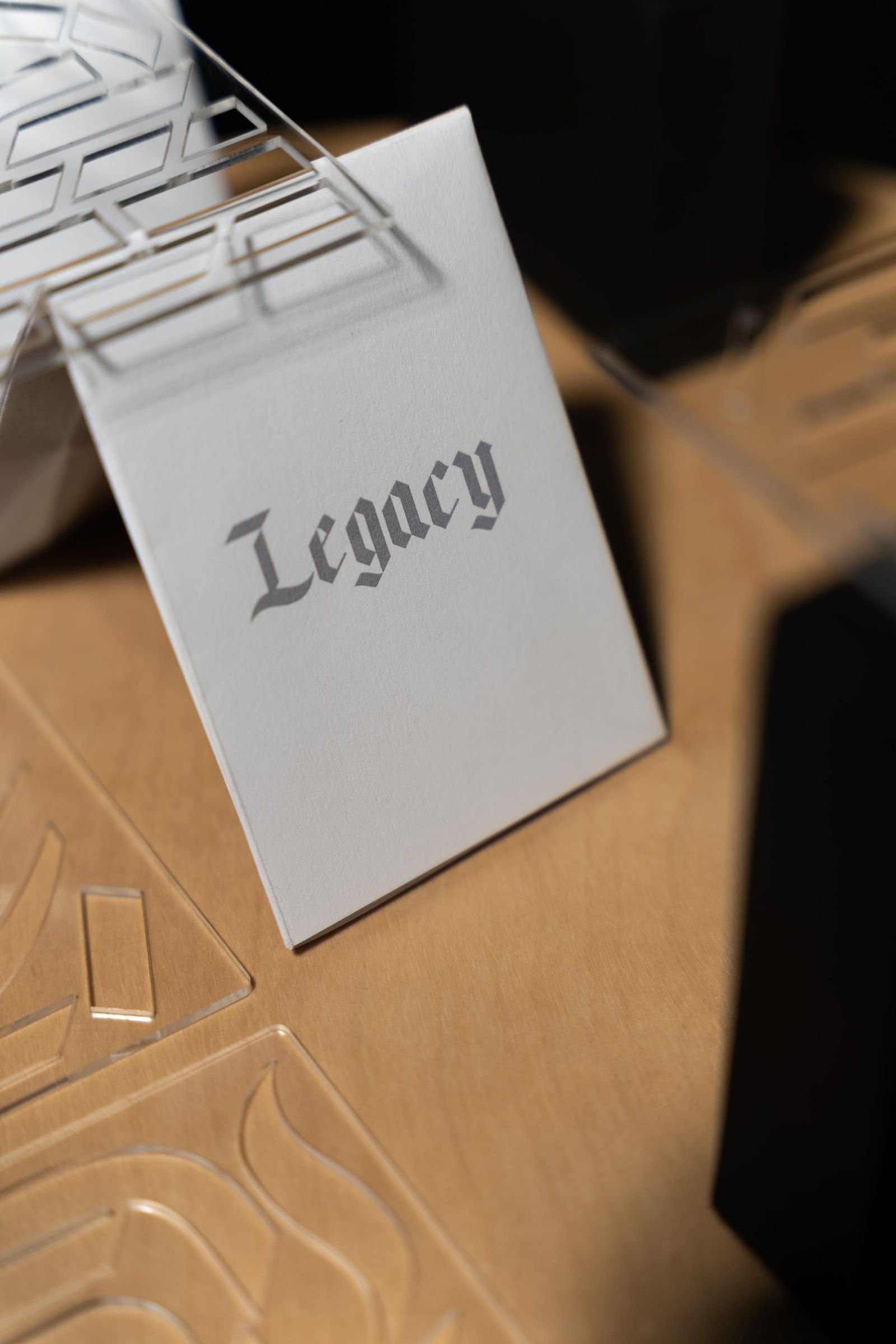
A custom stencil, packaging and instructional material formed one physical toolkit. Each component has a narrow purpose, but together they allow the identity to be reproduced, adapted and extended without requiring a single fixed composition.
Scope
Identity concept, typographic design, packaging and production design.